
Exploring Commercial Roofing Options: TPO, EPDM, Coatings, and More
Commercial roofs face unique challenges that can lead to significant problems over time. Flat or low-slope designs are prone to water pooling, membrane deterioration, and energy inefficiency. Many building owners struggle with leaks during heavy rainfall, damage from UV exposure, and the high costs associated with premature roof failure. Selecting the wrong roofing system can result in frequent repairs, business disruptions, and unexpected expenses.
In this comprehensive guide, you’ll discover the essential differences between Commercial Roof Types and learn which options provide the best protection for buildings in the Southeast. Let’s explore single-ply membranes, built-up systems, specialty coatings, and emerging technologies to help you make an informed decision.
Understanding Commercial Roof Types
Commercial roofing differs significantly from residential applications. Commercial buildings typically feature larger surface areas with minimal slopes, requiring specialized materials designed for water management on nearly flat surfaces. These systems must accommodate rooftop HVAC equipment, provide superior weather resistance, and maintain energy efficiency across extensive square footage.
Commercial Roof Types are categorized into several main systems:
- Single-ply membranes (TPO, EPDM, PVC)
- Built-up roofing (BUR)
- Modified bitumen systems
- Spray polyurethane foam (SPF)
- Metal roofing systems
- Roof coatings and restoration systems
Each system offers various advantages for different building types, climate considerations, and budget requirements. Working with qualified roofing contractors is essential to decide which system aligns with your needs.
Climate Considerations for Southeast Commercial Roofs
The Southeast’s climate creates unique challenges for commercial roofing materials:
- High humidity and frequent rainfall increase the risk of moisture infiltration
- Intense UV radiation accelerates material degradation
- Hurricane-force winds demand superior attachment methods
- Rapid temperature fluctuations cause expansion and contraction stress
- High cooling demands make energy efficiency a priority
These factors significantly influence which commercial roofing systems perform best in the region. The ideal material must withstand these conditions while providing reliable protection and energy efficiency throughout its lifespan.
TPO Roofing Systems
What Is TPO Roofing?
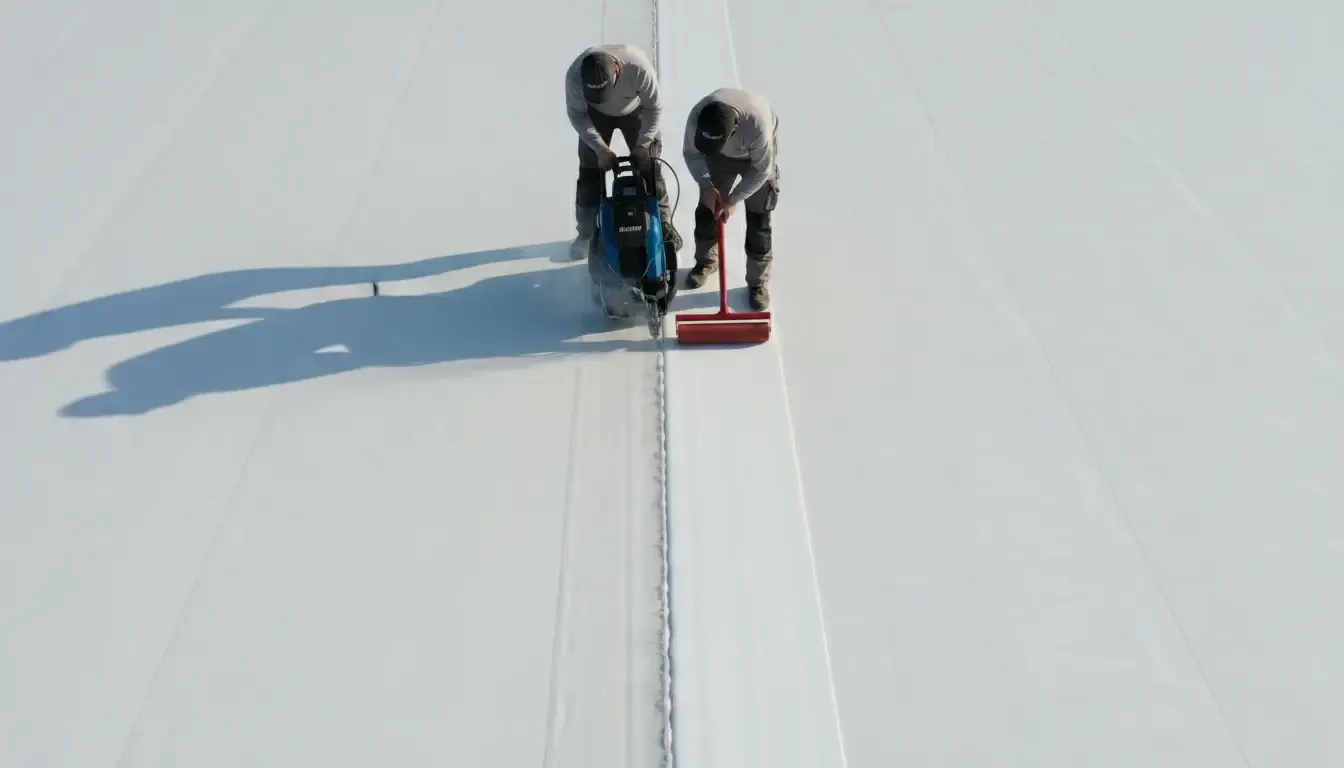
Thermoplastic Polyolefin (TPO) has become one of the fastest-growing commercial roof systems in the commercial sector. This single-ply membrane combines the durability of rubber with the heat-weldable properties of thermoplastics, creating a versatile and reliable roofing solution. TPO membranes consist of:
- A polypropylene and ethylene-propylene rubber base
- Reinforcing scrim for dimensional stability and strength
- Thickness options ranging from 45 to 80 mil
The material is manufactured in wide sheets (typically 6-12 feet) that reduce the number of seams required during installation. These seams are heat-welded rather than glued or taped, creating bonds stronger than the membrane itself.
TPO Performance Factors
When evaluating TPO for your commercial building, consider these key performance characteristics:
- Lifespan: Properly installed TPO typically lasts 20-30 years, with thicker membranes providing longer service life.
- Energy Efficiency: White TPO reflects up to 85% of solar radiation, potentially reducing cooling costs by 10-30% compared to dark roofing.
- Weather Resistance: TPO withstands extreme temperatures, UV exposure, ozone, and chemical pollutants without significant degradation.
- Installation Flexibility: The membrane can be mechanically attached, fully adhered, or ballasted depending on building requirements.
- Environmental Benefits: TPO contains no plasticizers or chlorine and is 100% recyclable at the end of its service life.
Cost Considerations for TPO
TPO roofing systems typically fall within these price ranges:
Quality Level | Cost Per Square Foot | Expected Lifespan |
Entry-level | $3.50-$5.50 | 15-20 years |
Mid-range | $5.50-$7.00 | 20-25 years |
Premium | $7.00-$9.50 | 25-30+ years |
Get Your Free Quote and
10% OFF Your Project Today!
Start by Entering Your Zip Code Below
No Obligations, No Stress!
Our Services!
Recent Posts
If you got a roofing estimate in 2026 and felt sticker shock, you are not imagining things.
Finding the right roof shingles can be quite the journey. Prices swing, colors vary, and product...

Severe weather often strikes without warning, leaving shingles scattered, gutters twisted, and ceilings...
These costs include materials, insulation, and professional installation. While not the least expensive option initially, TPO’s energy efficiency and minimal maintenance requirements often result in lower lifetime costs compared to other systems.
TPO in Southeast Climate Conditions
TPO performs exceptionally well in the Southeast for several reasons:
- Heat Reflection: White TPO helps buildings remain cooler during hot summer months
- Moisture Resistance: Heat-welded seams prevent water infiltration during heavy rainfall
- Wind Uplift Resistance: When properly installed, TPO withstands hurricane-force winds
- UV Stability: Enhanced formulations resist degradation from intense sunlight
- Mildew Resistance: The membrane doesn’t support mold or algae growth in humid conditions
EPDM Roofing Systems
What Is EPDM Roofing?
Ethylene Propylene Diene Monomer (EPDM) is a durable synthetic rubber roofing membrane with an exceptional track record in commercial roof applications. This single-ply system has been used successfully for over 50 years, making it one of the most proven roofing solutions available. EPDM roofing consists of:
- A synthetic rubber compound derived from oil and natural gas
- Carbon black (in black membranes) or titanium dioxide (in white membranes) for UV protection
- Thickness options of 45, 60, or 90 mil
The material is available in large sheets up to 50 feet wide, allowing for minimal seams on many commercial applications. These sheets are joined using specialized adhesive tapes or liquid adhesives to create a continuous waterproof membrane.
EPDM Performance Factors
Key performance characteristics of EPDM include:
- Lifespan: Properly installed EPDM typically lasts 25-30 years, with documented cases exceeding 40 years.
- Temperature Flexibility: EPDM maintains elasticity from -40°F to 300°F, preventing cracking during thermal cycling.
- Weather Resistance: The material shows exceptional resistance to UV radiation, ozone, and acid rain.
- Maintenance Requirements: EPDM needs minimal maintenance beyond bi-annual inspections and routine cleaning.
- Repair Simplicity: When damage occurs, repairs can be made quickly using compatible adhesives and patches.
Cost Considerations for EPDM
EPDM typically costs:
Quality Level | Cost Per Square Foot | Expected Lifespan |
Entry-level | $3.00-$4.50 | 20-25 years |
Mid-range | $4.50-$6.00 | 25-30 years |
Premium | $6.00-$8.00 | 30+ years |
Black EPDM generally costs less than white EPDM, though energy considerations in hot climates may offset this initial price difference. Installation method also affects pricing, with fully-adhered systems costing more than mechanically-attached or ballasted systems.
EPDM in Southeast Climate Conditions
EPDM offers various advantages in the Southeast region:
- Weathering Resistance: Exceptional durability against rain, humidity, and UV exposure
- Expansion Capability: Can stretch up to 300% to accommodate building movement during temperature changes
- Storm Performance: When properly attached, resists wind uplift during severe weather
- Hail Resistance: Absorbs impact better than many rigid roofing materials
- Thermal Performance: White EPDM options reflect heat in hot climates
While black EPDM absorbs heat (which can be beneficial in cooler regions), white EPDM provides better energy efficiency for Southeast buildings with high cooling demands.
Modified Bitumen and Built-Up Roofing
Traditional Multi-Layer Systems
For buildings requiring exceptional durability, modified bitumen and built-up roofing (BUR) systems continue to be popular roofing options for commercial properties. These multi-layer approaches have evolved from traditional tar-and-gravel roofing into sophisticated systems with enhanced performance characteristics.
Modified Bitumen consists of:
- Asphalt modified with polymers (SBS or APP) for improved flexibility and weather resistance
- Reinforcement layers of polyester, fiberglass, or composite materials
- Multiple plies for redundant waterproofing protection
- Granulated or foil-faced cap sheet for UV protection
Built-Up Roofing (BUR) features:
- Alternating layers of bitumen (asphalt or coal tar) and reinforcement fabrics
- Typically 3-5 plies creating a thick, redundant membrane
- Protective top layer of gravel, mineral granules, or reflective coating
- Exceptional puncture resistance for high-traffic areas
Performance and Durability Factors
These robust systems offer unique performance advantages:
- Lifespan:
- Modified Bitumen: 20-30 years
- Built-Up Roofing: 15-30 years (depending on the number of plies)
- Redundant Protection: Multiple layers provide backup waterproofing if one layer is compromised.
- Traffic Resistance: These systems withstand maintenance traffic better than single-ply options.
- Building Compatibility: Ideal for complex roof designs with numerous penetrations and equipment.
- Proven Track Record: Long history of successful performance in commercial applications.
Cost Analysis of Multi-Layer Systems
These traditional systems typically cost:
System Type | Cost Per Square Foot | Expected Lifespan |
Modified Bitumen (2-ply) | $5.50-$8.00 | 20-25 years |
Modified Bitumen | $7.00-$10.00 | 25-30 years |
Built-Up Roofing (5-ply) | $5.50-$8.00 | 20-30 years |
While installation costs tend to be higher than single-ply systems, many building owners find the exceptional durability and redundant protection worth the investment, particularly for buildings expected to remain in service for decades.
Climate Suitability for the Southeast
Modified bitumen and BUR systems offer specific advantages in Southeast conditions:
- Superior Waterproofing: Multiple layers provide exceptional protection during heavy rainfall
- Wind Resistance: When properly installed, withstand hurricane-force winds
- Adaptability: Can be modified with reflective coatings to improve energy efficiency
- Durability in Extreme Weather: Resist damage from hail and wind-driven debris
- Thermal Mass: Multiple layers provide insulation and moderate temperature fluctuations
Many experienced roof system specialists recommend these systems for critical facilities where roof failure is not an option, such as hospitals, data centers, and emergency service buildings.
Roof Coatings and Restoration Systems
Roof coatings provide a cost-effective alternative to complete replacement for commercial buildings with structurally sound but aging roofs. These liquid-applied systems create a new waterproof membrane directly over the existing roof, addressing minor issues while adding years of protection. Common coating types include:
- Acrylic Coatings: Water-based, reflective, and economical but less durable in ponding water
- Silicone Coatings: Exceptional waterproofing with superior resistance to UV and ponding water
- Polyurethane Coatings: Excellent durability and foot traffic resistance with strong adhesion
- Aluminum Coatings: Reflective, economical, but less elastic than other options
Benefits of Coating Systems
Roof coating restoration offers several advantages:
- Cost Savings: Typically 30-50% less expensive than complete replacement
- Minimal Disruption: Installation creates little noise or odor, allowing businesses to operate normally
- Energy Efficiency: Reflective coatings can reduce cooling costs by 10-30%
- Extended Life: Adds 10-15 years to existing roof systems
- Renewable Protection: Can be recoated multiple times
- Environmental Benefits: Reduces landfill waste from tear-offs
- Tax Advantages: May qualify for energy efficiency incentives and maintenance deductions
When to Consider Restoration vs. Replacement
Coating systems are ideal candidates when:
- The existing roof is structurally sound with good attachment
- Less than 25% of insulation is wet or damaged
- The substrate has sufficient slope for drainage
- Budget constraints make replacement challenging
- Building operations cannot tolerate disruption
- Energy efficiency improvements are desired
Professional inspection by qualified roofing professionals is essential to determine if your roof is a good candidate for restoration.
Cost Factors for Coating Systems
Coating costs vary based on several factors:
Coating Type | Cost Per Square Foot | Expected Extension |
Acrylic | $5.50-$8.00 | 7-10 years |
Silicone | $2.00-$4.50 | 10-15 years |
Poluytherane | $2.50-$4.00 | 10-20 years |
Aluminium | $1.00-$2.00 | 5-7 years |
These costs typically include proper preparation, primer application, and the coating system. While significantly less expensive than replacement, the appropriate solution should be determined through professional assessment of your specific roof conditions.
Specialty Commercial Roofing Options
Beyond traditional roofing systems, several innovative solutions address specific performance needs and sustainability goals for commercial buildings.
Green Roofing Systems
Living roof systems incorporate vegetation and growing media to deliver environmental benefits:
- Extensive Green Roofs: Lightweight systems with shallow soil profiles supporting drought-resistant plants
- Intensive Green Roofs: Deeper soil profiles supporting diverse vegetation including shrubs and small trees
Solar-Ready Roofing
Modern roof designs can be optimized to integrate with solar power systems:
- Integrated Photovoltaic Membranes: Solar cells embedded directly in roofing materials
- Solar-Ready Design: Reinforced attachment points and optimized layout for later solar installation
- Cool Roof + Solar: Combines reflective roofing with solar power generation
These systems help buildings achieve energy independence while maintaining essential waterproofing protection.
Cool Roofing Technologies
High-reflectivity systems specifically designed for hot climates:
- Reflective Single-Ply Membranes: TPO, PVC, and white EPDM with high solar reflectance
- Cool Roof Coatings: Applied to existing roofs to increase reflectivity
- Hybrid Systems: Combine reflective surfaces with enhanced insulation
Emerging Technologies in Commercial Roofing
The roofing industry continues to innovate with new technologies:
- Self-Healing Membranes: Materials that can repair minor damage automatically
- Smart Roofing: Integrated sensors that detect leaks or damage before they cause problems
- Ultra-High-Performance Insulation: Thinner materials with superior R-values
- Blue Roofs: Designed for controlled water retention and gradual release during storms
- Air-Purifying Surfaces: Roofing materials that neutralize air pollutants
Working with knowledgeable industry professionals helps ensure access to the latest innovations that might benefit your specific building needs.
Why Work with Professionals
Working with experienced professionals provides several advantages:
- Thorough inspection of existing conditions
- Infrared scanning to identify hidden moisture
- Core samples to determine underlying issues
- Engineering analysis for complex structures
- Customized recommendations based on building needs
- Access to manufacturer-certified installation
- Extended warranty options
Professional assessment often reveals options and considerations that aren’t obvious to building owners and can significantly impact long-term roof performance.
Upgrade Your Roofing System with Us
Selecting the right roofing system for your property represents a significant investment that impacts everything from energy efficiency to long-term maintenance costs. Each system—whether TPO, EPDM, modified bitumen, built-up roofing, or specialty options—offers distinct advantages for different building needs. The key is aligning these benefits with your requirements, climate considerations, and budget constraints.
Cornerstone Construction brings unmatched expertise to commercial roofing projects throughout the Southeast. Our team of certified roofing contractors has extensive experience with all the systems discussed in this guide, ensuring your project benefits from professional assessment, quality materials, and superior installation techniques. Whether you need a complete roof replacement or are exploring restoration options, we provide customized solutions based on thorough evaluation and industry best practices.
Experience the Cornerstone Difference
Secure Your Property’s Future with Cornerstone Construction – Get in touch to see what sets us apart.
Our Reviews
Very efficient roof replacement and cleanup. Team was very professional during the entire process.
Cornerstone was attentive in communication and did great work! I recommend them to anyone interested in having a project completed in a timely and professional manner at very reasonable price!
Anthony was courteous and professional. He answered all my questions. Def recommend!
Andrew and crew arrived around 6:45 on October 3 and was finished by 11:30 including running magnet for loose nail awesome job. Andrew was so professional and friendly as was the crew all had smiles on their faces. KUDOS to all of them
Great company, great workers and Anthony is the Bomb! If you're thinking about a new roof, Cornerstone is the one to trust and use!



Awards & Affiliations







Contact Us
Mon-Fri: 9:00 AM-5:00 PM
Mon-Fri: 8AM - 5PM
Sat: 8AM-12PM
Sun: Closed